From Napkin Scribble to Inbox: The Secret Life of a ZZart Commission
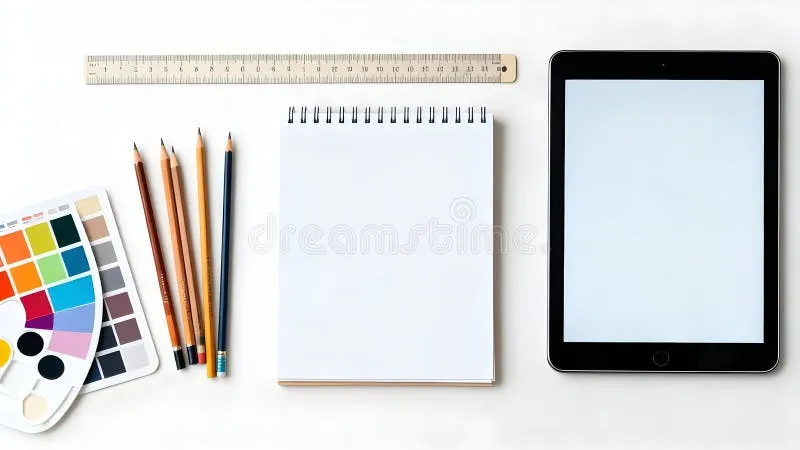
Photo: artist sketchbook with pencil sketches and drawing tablet on desk, via thumbs.dreamstime.com
There's a moment in every commission that nobody talks about. It's not the final reveal. It's not even the sketch approval. It's the fifteen minutes after a client emails me something like, "I want a portrait of my dog, but like... as a knight?" and I just sit there grinning at my screen. That's the moment the gears start turning. Today, I'm cracking open the studio door and showing you exactly what happens between that email and the day your art shows up in your downloads folder.
It Starts With a Very Unofficial Meeting
Every project kicks off with what I call the "vibe call." Sometimes it's an actual phone call, sometimes it's a chaotic email thread full of Pinterest links and phrases like "moody but fun?" I ask a ton of questions: Where will this art live? What's the occasion? Who's going to see it — your grandmother or your Instagram followers or both?
You'd be surprised how much this matters. A pet portrait destined for a wedding gift needs a totally different energy than one going above someone's gaming setup. I take notes like a detective. Half my sketchbook margins are filled with things like "dog = dramatic, owner = shy" and "client hates the color orange (noted, tragically)."
Thumbnail Stage: Where Ugly Is Encouraged
Here's my rule: the first sketches get to be terrible. Genuinely, proudly terrible.
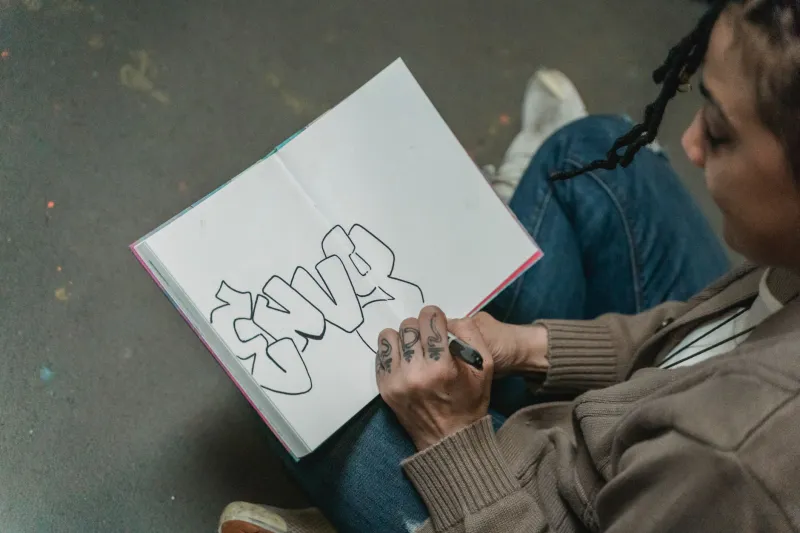
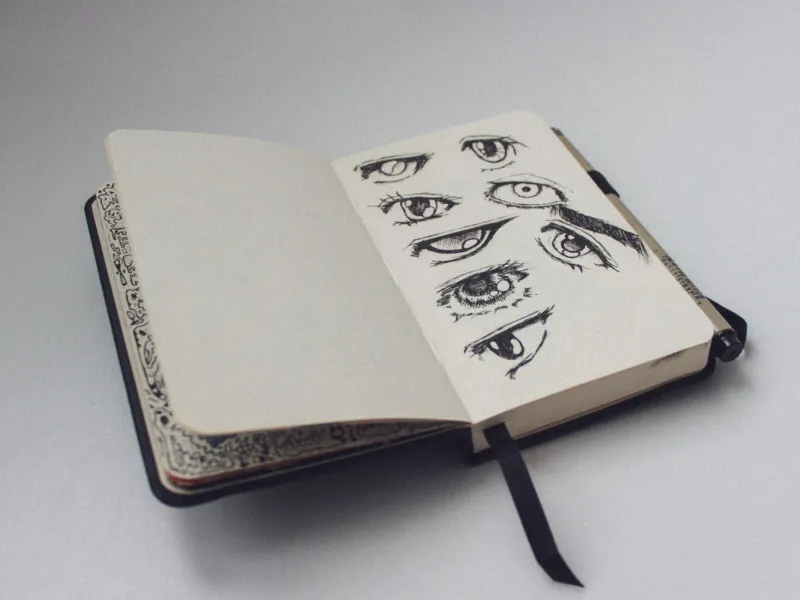
I'll rough out three to five thumbnail concepts — tiny, loose, proportional-to-nothing doodles that look like they were drawn during a long phone call. Sometimes they are. The point of this stage isn't beauty; it's direction. It's me asking, "Is it more like this? Or more like this?"
Clients often feel bad picking apart these rough sketches. Please don't. That's literally what they're for. A thumbnail is cheap to change. A finished illustration is not. Catching "actually, can the dog face left instead?" at this stage saves everyone a headache later.
The Line Art Honeymoon Phase
Once a concept gets the green light, I move to line art. This is where the piece starts feeling real. The wobbly thumbnail becomes clean, confident strokes. I crank a playlist — lately it's been a lot of Fleetwood Mac and lo-fi mixes, depending on the day — and settle in.
For clients, this is usually the first "official" look: a refined sketch with the composition locked in. From here, big structural changes get harder, so this is the checkpoint where I ask you to really look. Are the proportions right? Does the vibe match what you imagined? Now's the time to speak up.
Color, Rendering, and the 80% Trap
Flat colors go down first, and honestly, this might be my favorite stage. The piece suddenly has a personality. That knight dog? Now he's a golden-furred knight against a deep teal background and suddenly he means something.
Then comes rendering — shadows, highlights, texture, all the polish. Fair warning to fellow artists and clients alike: every illustration hits a phase around 80% completion where it looks worse than it did at 60%. Every single time. I've learned to push through it. Clients, if you ever see a work-in-progress that looks a little rough around the edges, trust the process. The last 20% is where the magic hides.
Delivery Day (My Favorite Day)
Final files get exported in whatever formats you need — print-ready PDFs, high-res PNGs, web-friendly versions. I include a short note on care instructions if it's headed to a print shop, because nothing stings like a gorgeous piece mangled by a bad print job.
And then I hit send, immediately second-guess everything, and refresh my inbox until you reply. Independent artist confession: we never fully outgrow that part.
How to Write a Commission Brief That Doesn't Stump Your Artist
Want to make your artist's whole week? Write a brief that includes:
- The essentials: subject, size, deadline, and budget range. Boring but crucial.
- References, references, references. Even "I like the colors in this one but the pose from that one" is gold.
- The vibe in three words. "Cozy, chaotic, autumnal" tells me more than a paragraph ever could.
- What you don't want. Dealbreakers are just as helpful as wishes.
- Honesty about revisions. Most commissions include a set number of revision rounds — knowing the count upfront keeps things friendly.
What to Realistically Expect When Hiring an Independent Artist
A few honest notes from the other side of the inbox: independent artists aren't print-on-demand machines. Turnaround for a detailed piece typically runs one to four weeks depending on complexity and my queue. Deposits are standard practice — they protect both of us and they're what turn your idea from "maybe" into "scheduled."
Also, communication is a two-way street. If you reply to emails within a day or two, your piece moves faster. And if something in a sketch isn't landing for you, say so kindly and early. I promise I'd rather revise than have you politely settle.
The best commissions feel like a collaboration between two people who both care about the outcome. I bring the brushes and the questionable playlist; you bring the story. Somewhere in the middle, a doodle becomes something worth framing.
Ready to see your idea go from napkin scribble to finished piece? The inbox is open.