Good Dog, Quick Marker: What 42 Shelter Pups Taught Me About Drawing Fast and Loud
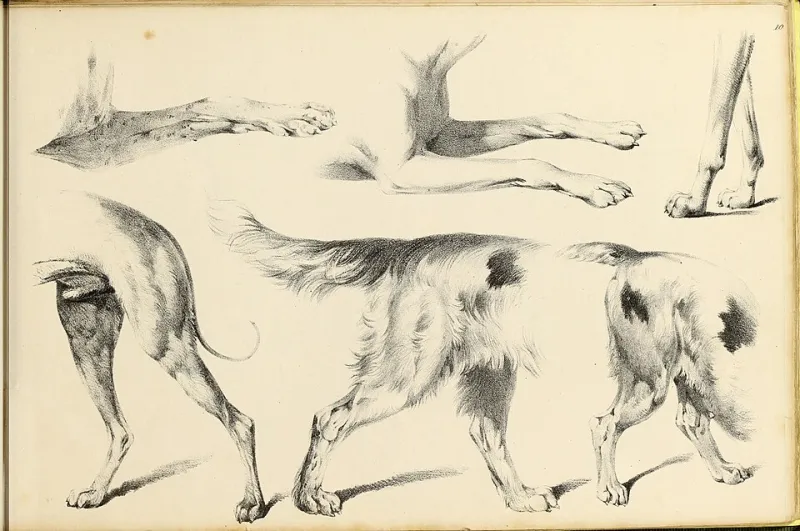
Photo: Fairland, Thomas, 1804-1852, No restrictions, via Wikimedia Commons
The folding table wobbled every time a tail hit it. That was the first lesson. The second: a county shelter lobby at 9 a.m. on a Saturday smells like disinfectant, kibble, and possibility. I had cleared the weekend, packed two bins of markers, a stack of neon cardstock, and a roll of paper towels, then set up what I optimistically called a portrait booth. It was really just me, a stool, and a handwritten sign: Free dog portrait. Sit. Stay. Smile.
I run ZZart Studio, which usually means commissions, digital illustrations, and long quiet hours staring at a screen. This was the opposite. This was forty-two dogs in two days, plus a handful of repeat visitors who wanted to see if I remembered their ears. I did not always remember their ears.
The Setup: Less Studio, More Lemonade Stand
The shelter gave me a corner near the adoption desk, which meant every family walking in got a preview of the chaos. I taped a color wheel to the wall and laid out markers in rainbow order because it looked friendly. Within an hour the rainbow was gone. Dogs knocked it over. Kids reorganized it. A very small volunteer named Mia appointed herself marker sheriff and kept handing me colors I did not ask for.
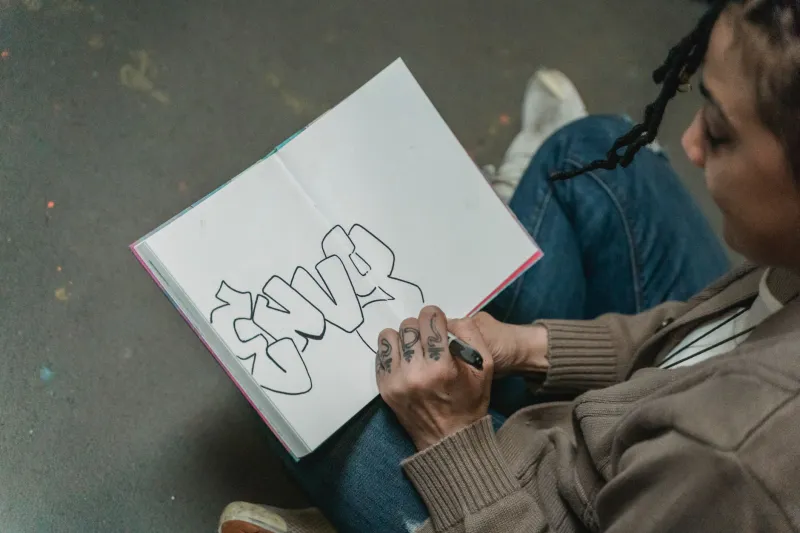
My original plan was to do a careful pencil sketch, then ink, then color. That plan lasted about four dogs. By dog five I was drawing straight with a brush marker, blocking in shapes with a chisel tip, and using a white gel pen like a tiny fire extinguisher. The booth had no room for preciousness. It had room for a dog, a page, and whatever happened next.
The Quick-Draw Rules I Made Up by Hour Three
Speed changes your priorities. I stopped trying to render fur and started trying to catch the way a dog held its head. These rules saved me:
- Draw the ears first. Ears are personality. A Lab with alert ears and a Lab with sad ears are two different characters.
- Block the muzzle as one shape, not three. One line for the bridge, one for the nose, one for the jaw. If you fuss, the dog leaves.
- Save the eyes for the last third. Eyes are the emotional payoff, but they are also where you freeze. Get the body down while the dog is still curious about the treat.
- No erasing. A stray line becomes a whisker, a shadow, or confidence. Erasing kills momentum and scares the subject.
- Use the side of the marker for bulk color. The tip is for details, not for filling a whole page while a terrier mix tries to eat your shoe.
By Sunday afternoon I could do a recognizable, loud, lovable portrait in about six minutes. Not every one was accurate. All of them were alive.
Color Choices That Made the Pups Pop
Here is where the weekend got fun. I stopped trying to match fur exactly and started matching vibe. A brindle pit mix got electric tangerine behind the ears because she had the energy of a traffic cone. A senior beagle got soft butter yellow and a lavender shadow because he moved like a nap. A husky with one blue eye got cobalt and hot pink, which sounds like a crime against nature until you see how happy the adopters looked.
The rule I landed on: pick one true color and one liar. The true color keeps the dog recognizable. The liar color gives the portrait a pulse. Bubblegum pink, acid green, and that deep ultramarine that makes everything look like a midnight snack. I used them in backgrounds, in shadows, in the loose scribbles around the edges. The dogs did not care. The people did. Color gave them a way to talk about the dog's personality before they even said hello.
The Smudges Were Part of the Deal
I am not a tidy artist on a good day. At the booth I became a disaster with a mission. Marker bled through the cardstock. Paw prints appeared on finished portraits. A golden retriever puppy sneezed directly onto a wet background and I called it texture. The paper towels became part of the process. I started keeping a damp cloth on the table and using it to soften edges, wipe mistakes into shadows, and clean my hands before I accidentally gave a white dog a green ear.
The smudges taught me something useful: a portrait does not need to be clean to be good. It needs to be specific. A little mess can be evidence of life. I brought that back to the studio and started leaving more visible marks in my digital work. Not fake texture. Real decisions.
What Saying Yes Actually Cost
I said yes to this project before I knew the schedule. That is my usual method. The shelter asked if I could do a weekend; I said yes; then I found out it was a 48-hour adoption event with a live radio remote and a food truck. I spent Friday night cutting paper and Sunday night with a heating pad on my drawing shoulder. It cost me a weekend, two brush markers, and the illusion that I need a perfectly quiet room to make decent work.
It paid me back in weird confidence. I draw faster now. I trust a loose line more. I know that a six-minute portrait can make someone pick up a leash and ask better questions about a dog. That is not a small thing.
The Dogs That Broke My System
There was a greyhound named Pepper who would not sit. I drew her standing, mid-shake, all elbows and blur. There was a deaf bulldog who kept trying to climb into my lap while I worked. His portrait has one ear inside-out and I refuse to fix it. There was a bonded pair, two scruffy terriers, who had to be drawn on the same page because they panicked when separated. That page is my favorite thing I made all year.
None of those portraits followed the plan. All of them worked because the plan was never the point. The point was the dog in front of me, the person waiting to meet them, and the silly bright page in between.
What I'm Taking Back to the Studio
The booth is packed away. The markers are mostly dead. I have a stack of portraits to scan, a new set of color combinations I want to steal for commissions, and a shorter warm-up routine. But the real takeaway is simpler: say yes more often, work faster than feels comfortable, and let the smudges stay. A good dog does not wait for you to find the perfect line. Neither does a good idea.