Seven Days of Wrong-Handed Drawing: A Love Letter to Wobbly Lines
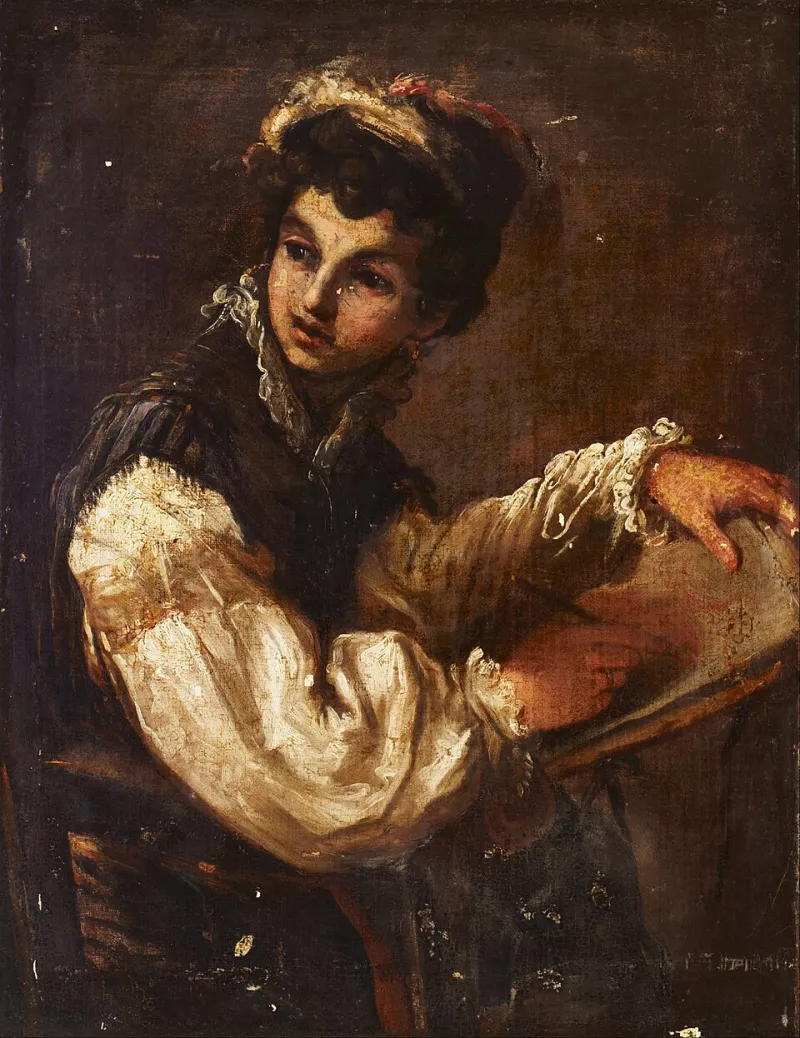
Photo: Italian (Bolognese) – School Details on Google Art Project, Public domain, via Wikimedia Commons
I’ve always been a right-handed illustrator. Not proudly, not defensively — it’s just the hand that holds the pencil. But when a minor studio accident (a slipping X-Acto knife, a Band-Aid, and a lot of dramatic sighing) temporarily retired my dominant hand, I faced a choice: take a week off or learn to draw with the hand I usually use for opening jars and waving at dogs. I chose the stupid, stubborn option. Seven days. Left hand only. No cheating.
What followed was equal parts humiliation and revelation. Here’s the play-by-play, including the sketches that somehow survived and the lessons I’m keeping long after my right hand healed.
The Accident (and the Stupid Idea That Followed)
The injury wasn’t glamorous. I was trimming a piece of cold-press paper for a commission, the blade skipped, and my right thumb took the hit. Nothing broken, just a deep enough cut that gripping a pencil felt like a tiny act of violence. My doctor said “rest it.” My brain said “absolutely not.”
I’d read about forced-handicap challenges before — artists switching hands to break habits, loosen up, or just feel like a beginner again. It always sounded like a cute exercise for people with more patience than me. But stuck at my desk with a bandaged thumb and a stubborn streak, I figured: why not? I taped a pencil to my left hand (kidding — I just held it awkwardly) and started a fresh sketchbook. The first page says “Day 1: This is going to be a disaster” in handwriting that looks like a raccoon got into the ink.
Day One: A Potato With Ambitions
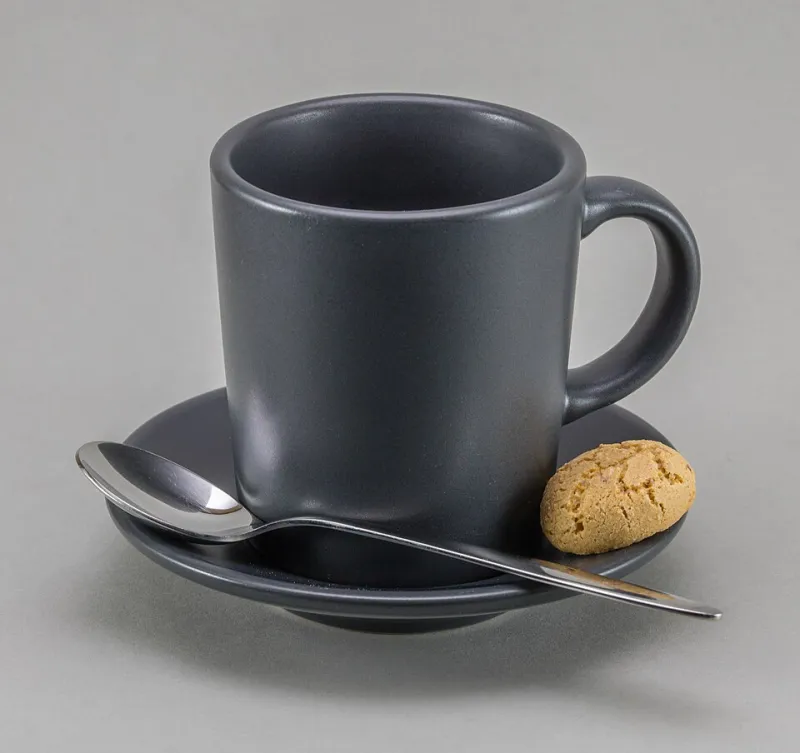
My first subject was a coffee mug. Simple, right? Cylinder, handle, maybe some steam. My left hand drew something that looked like a potato wearing a backpack. The ellipse at the top sagged like a deflated pool toy. The handle was a sad little loop that didn’t connect. I laughed so hard I nearly spilled the actual coffee.
But here’s the thing: I couldn’t be precious about it. When your lines wobble like a toddler on a sugar high, you stop worrying about perfection. You just try to get the shape down before your hand cramps. That first day, I filled three pages with objects that looked like they’d been through a car wash: a lamp that resembled a giraffe, a pair of scissors that looked like a bird, a self-portrait that I can only describe as “haunted thumb.”
The Sketches That Actually Survived
By day three, something shifted. My left hand was still clumsy, but I started noticing a different quality in the lines. They were looser, more energetic. Where my right hand would carefully measure and re-measure, my left hand just went for it. Some of those “mistakes” turned into happy accidents — a wobbly circle became a wonky moon, a stray mark turned into a tiny bird.
I ended up with five sketches I genuinely liked. Not because they were technically good, but because they had a rawness my usual work lacks. One was a quick gesture drawing of my cat mid-yawn — normally I’d fuss over the proportions, but left-handed me just captured the shape of the stretch. Another was a color study of a neon sign, all smeared edges and uneven blocks. It looked like a memory of a sign rather than a photograph of one. That’s the kind of energy I want more of in my portfolio.
What My Left Hand Taught Me About My Right
The biggest lesson wasn’t about drawing. It was about control. As illustrators, we spend years training our hands to obey. We want clean lines, accurate perspective, and consistent color. But that pursuit of control can make us stiff. My left hand didn’t know how to be precise, so it had to be expressive. And that expressiveness bled into my right-handed work when I finally picked up a pencil again.
I also learned to laugh at myself. Nothing humbles you like trying to draw a straight line and getting something that looks like a snake with a hangover. That humility is useful. It reminds you that art is play, not a performance review.
Try It Yourself (Yes, Really)
You don’t need an injury to try this. Tape your dominant hand to your leg (gently), switch to your non-dominant hand, and set a timer for 15 minutes. Draw something simple — a plant, your shoe, your breakfast. Don’t aim for good. Aim for loose. You might hate it. You might love it. Either way, you’ll learn something about your own habits.
At ZZart Studio, we’re all about playful art and bold colors. This week reminded me that play sometimes means getting a little wobbly. So go ahead: use the wrong hand. Make a potato with ambitions. Your right hand will thank you later.