The 25-Cent Art Machine: A Month of Tiny Paintings in a Gumball Dispenser
The machine arrived in a cardboard box that smelled faintly of old bubblegum and basement. Bubblegum pink, scuffed at the corners, with a chrome lid that made a satisfying clack when I popped it open. I bought it refurbished for $85 from a guy who restored vending machines in his garage. He assumed I wanted it for candy. I told him I wanted it for art. He looked at me the way people look at a dog wearing sunglasses.
For one month, I loaded thirty palm-sized original paintings into that machine, set the price to exactly one quarter, and moved it through three very different US spots: a laundromat, a record shop, and a taqueria. No explanatory gallery text. No velvet rope. No QR code. Just a handwritten label taped to the front: Tiny Art — 25¢. The experiment was part prank, part portfolio project, and part genuine curiosity about what happens when art becomes an impulse buy.
The Setup: Thirty Paintings and One Coin Slot
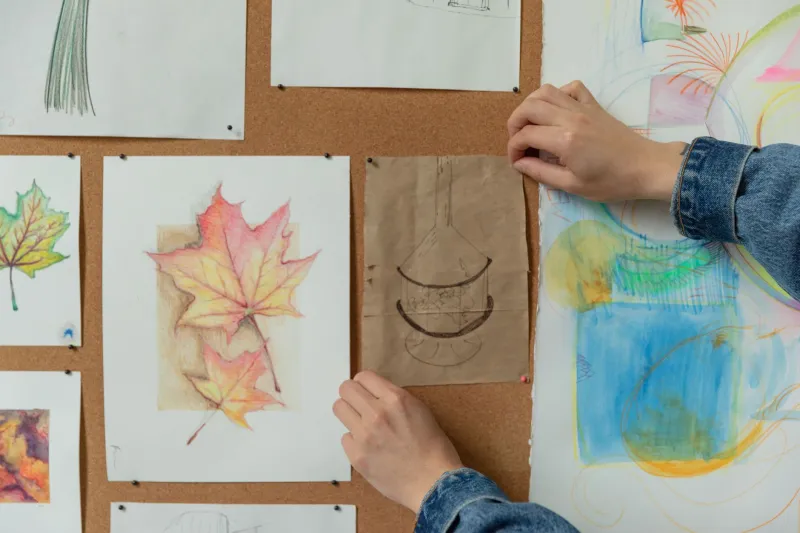
Each painting was small enough to hold in one hand, roughly three inches square, painted in acrylic and gouache on sturdy panels. I sealed them, wrapped them in glassine, and packed each one into a clear plastic capsule with a tiny paper label: title, number, and the ZZart Studio email address. No price tag inside. The quarter was the whole pitch.
I split the month into three stops. One week at a neighborhood laundromat in Austin, where people sit and stare at machines for an hour. Ten days at a record shop in Portland, where people browse slowly and touch everything. Nine days at a taqueria in Chicago, where people wait in line with hungry energy and cash in their pockets.
I kept a notebook behind the counter at each spot. Every time someone bought a capsule, I wrote down the day, the time, and anything I overheard. I also wrote down every confused stare, because that turned out to be half the data.
Stop One: The Laundromat
The laundromat sold four capsules in seven days. Gross revenue: one dollar.
Most people walked past the machine without a second look. One guy shook it, then realized it wasn’t candy and walked away. A kid asked his mom if the pink machine had toys. She said no, then bought him a capsule anyway because he looked disappointed. He opened it and stared at the little painting like it was a puzzle piece from another planet.
A woman bought two capsules because, in her words, they were “small enough for my purse.” She didn’t open them at the laundromat. She held them up to the light, smiled, and went back to folding socks. That felt like a win. The paintings had become a small private surprise, something to open later.
The laundromat taught me that captive audiences are not the same as interested audiences. People had time, but they didn’t have attention. The machine was furniture until someone decided it was a story.
Stop Two: The Record Shop
The record shop sold eleven capsules in ten days. Gross revenue: $2.75.
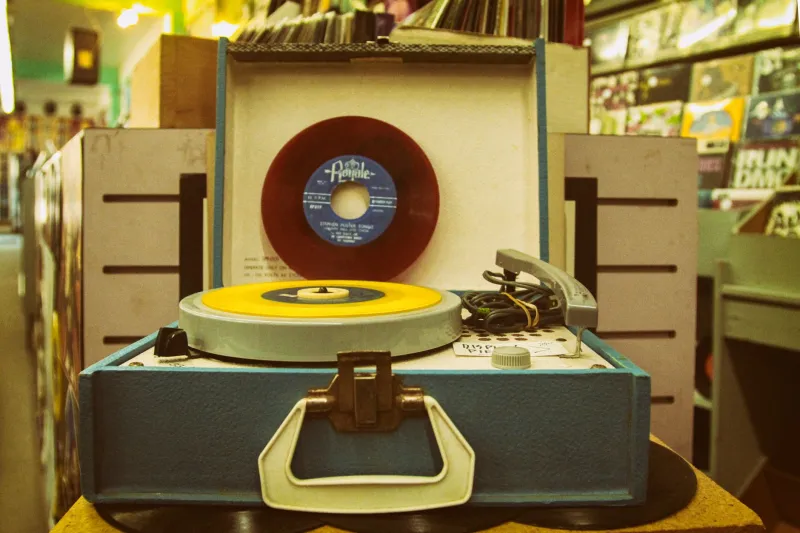
The record shop was the best stop by a mile, and I think it came down to context. People walked in already in browse mode. They were used to flipping through bins, picking up objects, and taking small risks on things they didn’t recognize. The gumball machine sat near the checkout counter, and the staff added a tiny sticky note that read: “Actual art. Not candy. Yes, really.”
That note changed everything. A guy in a denim jacket bought five capsules and said he was going to give them to his bandmates. A woman bought one, opened it at the counter, and laughed at the title on the back — “Small Tree, Big Mood.” She asked if I did commissions. I said yes. She said she’d email.
One capsule got stuck in the chute. I had to open the machine with a screwdriver while the staff watched and offered unhelpful advice. That stuck capsule turned out to be one of my favorite paintings, a little neon sunset with a crooked horizon. I put it back in. It sold the next day.
The record shop proved that a little context can do a lot of work. A sticky note and a checkout counter beat a week of foot traffic.
Stop Three: The Taqueria
The taqueria sold eight capsules in nine days. Gross revenue: two dollars.
The machine sat near the register, next to a tip jar and a stack of paper menus. People asked about it constantly. “Is that candy?” “Is that for kids?” “What’s in there?” I watched one guy buy two capsules, open one, and then immediately buy another. He said he wanted to see if the next one was as weird.
A woman bought one for her daughter, who was maybe six. The kid opened it, looked at the tiny painting of a mustard-yellow house, and said, “It’s a house for ants.” I have never received a better review.
One capsule got a little salsa on the outside during a busy Friday rush. The painting inside was fine. The label smelled like cilantro. I considered that a collaboration.
The taqueria taught me that hunger makes people impulsive, but also that waiting makes them curious. The machine became a conversation piece, a tiny vending-machine sideshow between the hot sauce and the napkins.
The Ledger: Every Capsule, Every Quarter
By the end of the month, twenty-three of the thirty capsules had found homes. Seven came back to the studio in my bag. Total gross revenue: $5.75. Total quarters: twenty-three.
Here’s the rough math on the experiment:
- Refurbished gumball machine: $85
- Capsules: $14
- Labels and paper: $5
- Paint, panels, and sealant: $60
- Gas and parking: $18
- Total costs: $182
- Gross revenue: $5.75
- Net: -$176.25
I did not count my time. If I had, the number would be rude.
A quarter is not a price. It’s a permission slip. At $20, people would have asked about my process, my training, my “story.” At 25 cents, they just bought the thing and decided later how they felt. That’s a different kind of attention. It’s not always respectful, but it’s honest.
What a Quarter Actually Buys
The experiment didn’t make money. It made something better: a clear look at how people decide to take art home.
Context matters more than price. The record shop won because people were already in a browsing mood. The laundromat had time but no attention. The taqueria had attention but no patience. If I did it again, I’d put the machine where people already expect to discover something small and strange.
Signage matters. “Tiny Art — 25¢” worked better than “Gumball.” Once people knew it wasn’t candy, they either got curious or got annoyed. Both reactions were useful.
Small format wins. A palm-sized painting is easy to carry, easy to hide, and easy to say yes to. Nobody has to rearrange a wall for it. It can live on a desk, a dashboard, or a shelf next to a rock they picked up on vacation.
And the weirdest lesson: the machine made my work feel more approachable. A gumball dispenser is not a gallery. It’s a little metal goblin that spits out surprises. People relaxed around it. They asked silly questions. They made jokes. They bought art without realizing they were buying art.
A few buyers emailed the studio address on the label. One asked if I could paint her dog. Another asked how I got the neon colors so bright. One just wrote, “Got number 17. Love it.” That email was worth more than the $5.75, and I’m not being cute about it.
The machine is back in my studio now, sitting by the door. I still keep quarters in a jar. Some days I load a new painting just to see who bites. The 25-cent art machine didn’t solve the economics of being an independent artist. But it did answer a better question: what happens when you make taking art home feel like a tiny, ridiculous adventure?